Why do some birds fly in a V?
Most people would say that they do it to save energy, which would be
right. But it turns out that birds in a V are actually pulling of a feat
that’s more complicated and more impressive than anyone had imagined.
Here is the standard explanation for the V-formation:
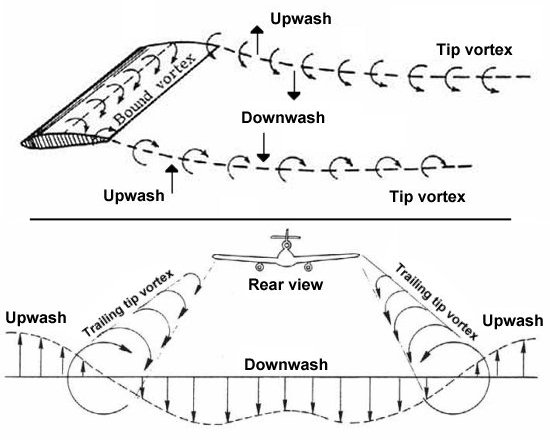
As a bird flaps, a rotating vortex of air rolls off each of its
wingtips. These vortices mean that the air immediately behind the bird
gets constantly pushed downwards (downwash), and the air behind it and
off to the sides gets pushed upwards (upwash). (See this image if that’s not clear.)
If another bird flies in either of these upwash zones, it gets free
lift. It can save energy by mooching off the air flow created by its
flock-mate.
This all makes sense, but it represents decades of largely
theoretical work. Scientists calculated how air should flow around a
flying bird based on what we know about planes, but almost no one had
taken any actual measurements. Henri Weimerskirch changed that in 2001,
when he fitted pelicans with heart-rate monitors. He found that birds at the back of the V had slower heart rates than those in the front, and flapped less often.
It was an interesting study, which confirmed that birds benefit from flying in a V. But it didn’t address why or how they do so. That’s what Steven Portugal wanted to know.
Lees meer: Not exactly rocket science
vrijdag 17 januari 2014
Birds That Fly in a V Formation Use An Amazing Trick

Abonneren op:
Reacties posten (Atom)

Geen opmerkingen:
Een reactie posten